Cart

Once, the mountains belonged to them.
Bull elk moved through the valleys and high ridges of the Great Smoky Mountains, their voices carrying across a wilderness that had known them for generations. But relentless hunting and a changing landscape eventually silenced those voices. By the 1800s, elk had been hunted to local extinction in the region. Their kingdom remained, but its kings were gone.
Then came the return.
In 2001, elk were reintroduced to the Great Smoky Mountains, beginning a new chapter for an animal returning to ancestral ground. Slowly, they reclaimed the valleys, forests, and mist-covered meadows their kind had once walked.
Every autumn, that ancient story rises again.
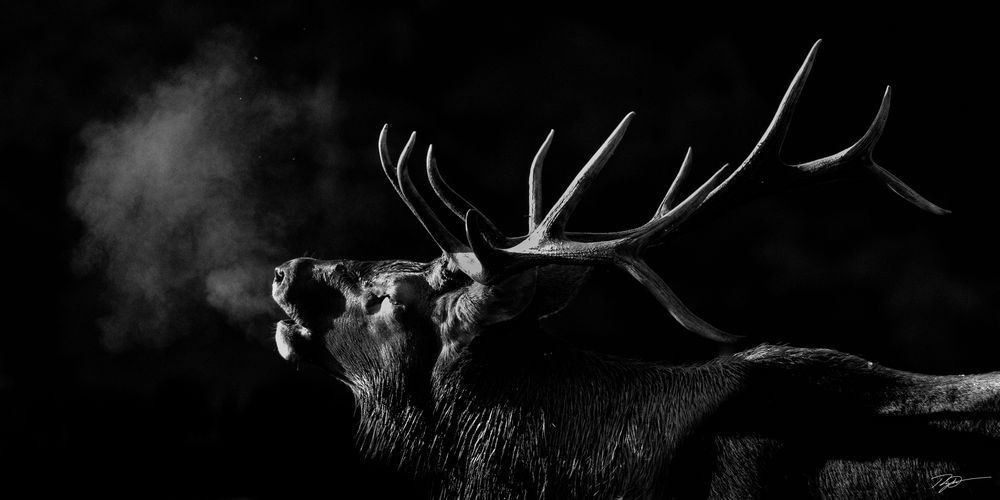
As cool air settles over the Smokies, mature bulls step forward. Their bugles echo through the mountains, announcing strength, challenging rivals, and calling to the cows gathered nearby.
Then the battles begin.
Antlers crash. Hooves tear at the earth. Massive bodies collide as bulls fight for the right to stand over the herd. There are no guarantees. Every challenger carries scars, every victory must be earned.
And for the bull that prevails, the reward is more than dominance.
It is the chance to pass his strength, resilience, and survival into another generation.
Once driven from these mountains, the elk have returned.
And every fall, when a bull lifts his head and sends his breath into the cold mountain air, his bugle becomes more than a challenge.
It is a declaration.
The king has returned to his kingdom.
This is only visible to you because you are logged in and are authorized to manage this website. This message is not visible to other website visitors.
Click on any Image to continue

This means you can use the camera on your phone or tablet and superimpose any piece of art onto a wall inside of your home or business.
To use this feature, Just look for the "Live Preview AR" button when viewing any piece of art on this website!


This means you can use the camera on your phone or tablet and superimpose any piece of art onto a wall inside of your home or business.
To use this feature, Just look for the "Live Preview AR" button when viewing any piece of art on this website!