
Winter Kings: The Bison of Yellowstone
Jul 04, 2025
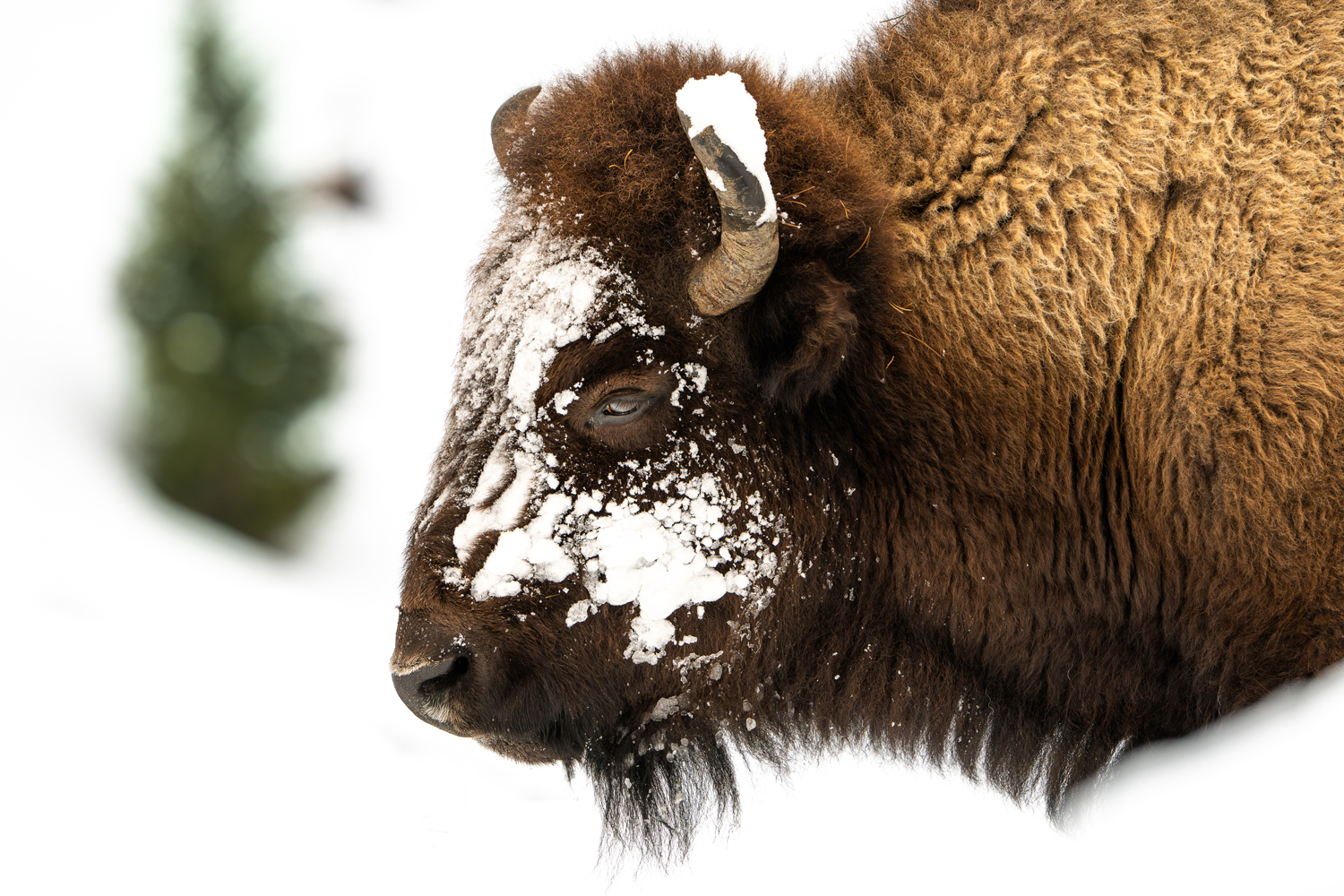
In the wild heart of Yellowstone National Park, where steaming geysers hiss beneath a frozen sky and silence hangs heavy like the snow on the pines, a quiet battle unfolds each winter. It's not the clash of predators or the crack of thunder. It's the relentless struggle for survival waged by the park’s most iconic residents—the American bison.
To witness a Yellowstone winter is to glimpse another planet. Temperatures regularly plunge well below zero. Blizzards can blind the landscape for days. Snow can pile high enough to swallow the prairie whole. For nearly nine months out of the year, this high-elevation wilderness is locked in deep freeze. And yet, the bison remain. They do not migrate south. They do not hibernate. They endure.
Each year, as summer’s warmth fades into autumn’s golden glow, the bison brace for the coming siege. Their thick coats grow heavier and shaggier, insulating them from the cold. By the time the first snow falls, they already carry the burdens of preparation—extra weight for energy reserves, and muscle built from roaming miles of grassland.
But no preparation can soften the hardship that winter brings.
Food becomes a memory buried beneath layers of snow and ice. The once-abundant grasses are now entombed, accessible only through sheer force. That’s when you see them—their heads swinging side to side, carving through the drifts like battering rams. Each motion a slow, deliberate act of survival. They uncover just enough with each sweep to nibble and move on. Step by step. Inch by inch. Day after endless day.
Calves, born just months earlier in the warmth of spring, now face their first trial by ice. The snow nearly buries them. The cold stings their lungs. And predators—wolves, hungry and cunning—circle the herds looking for weakness. But the herd stands strong. The bison are not just individual creatures; they are a unit. When danger approaches, the adults form a wall, shielding the young, the old, and the weak. Their strength isn’t just in muscle—it’s in unity.
Even the geothermal heat of Yellowstone’s famous geysers offers little relief. Sometimes the bison will linger near the warm ground, steam swirling around their massive frames like ghosts. But they can’t linger for long. Food lies elsewhere. And the wolves are always watching.
Winter tests everything—body, spirit, instinct. Some do not make it. But those that do emerge in spring scarred but proud, with matted fur, worn hooves, and a new generation of calves by their side. They are living monuments to resilience, proof that even in the harshest conditions, life finds a way.
To photograph a bison in winter is to capture the raw, unfiltered story of survival. It’s not just an image—it’s a testament. A tribute to the wild soul of Yellowstone, and the kings who never abandon their throne.
This print honors their journey. Hang it in your home as a daily reminder of strength, endurance, and the quiet courage to keep going—no matter how long the winter lasts.